I. Why Ordinary Cabinets Are Unsuitable for Storing Hazardous Chemicals
In practice, many laboratories and industrial sites still use ordinary filing cabinets, wooden cabinets, or simple metal cabinets to store hazardous chemicals. While this may seem cost-effective, it poses numerous safety hazards.
Ordinary cabinets typically have the following problems:
a. Lack of fireproof or flame-retardant properties
b. Limited structural strength, unable to withstand accidental impacts
c. Lack of design protection against chemical spills
d. Inability to meet the requirements for classified storage and standardized management. In the event of a fire, spill, or chemical reaction, ordinary cabinets not only fail to provide protection but may also exacerbate the consequences. Therefore, the storage of hazardous chemicals requires a professional, safe, and controllable storage solution from the outset.
II. Technical Requirements for Storage of Different Chemicals
Hazardous chemicals cannot be solved with "just one cabinet." The physical and chemical properties of different chemicals determine their different requirements for the storage environment and facilities.
Common differences include:
a. Flammable chemicals: require high fire resistance and ventilation.
b. Corrosive chemicals: require corrosion-resistant materials and leak-proof design.
c. Toxic chemicals: require controlled volatilization and diffusion to reduce personnel exposure risk.
d. Oxidizing agents: must be physically isolated from flammable and reducing agents.
Therefore, before selecting a safety storage cabinet, the following should be clearly defined:
a. Types of chemicals to be stored.
b. Hazardous characteristics.
c. Frequency and quantity of use.
This is a prerequisite for selecting a suitable safety storage cabinet.
III. Comparison of Applicable Scenarios between Steel Safety Cabinets and PP Cabinets
In laboratories and industrial fields, the two most common types of safety storage cabinets are steel safety cabinets and PP (polypropylene) cabinets.
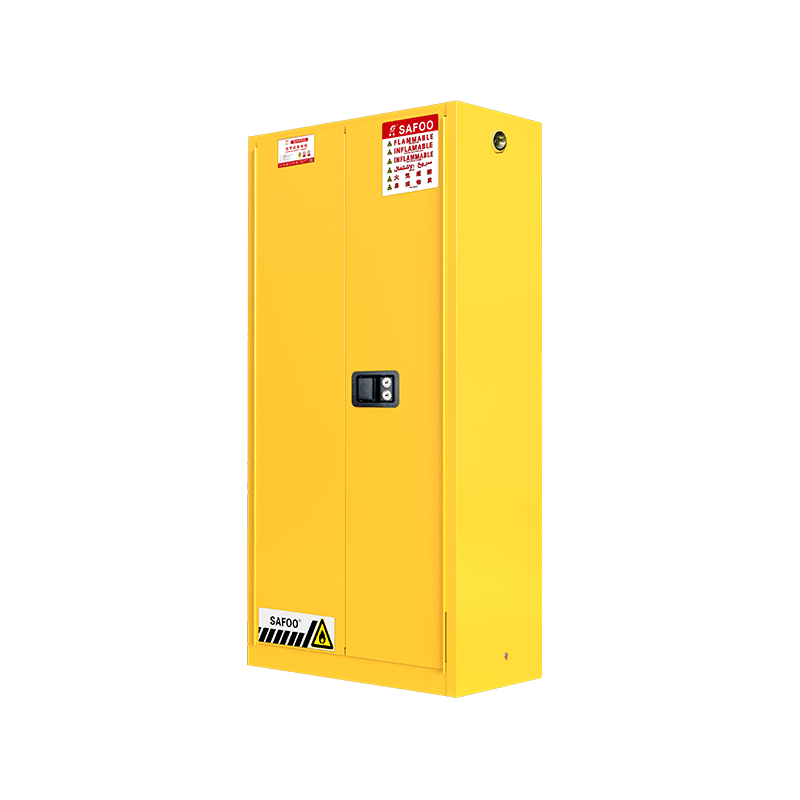
1. Steel Safety Cabinet
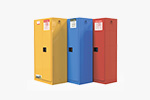
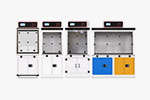
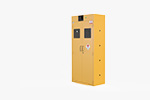
Features: Robust structure with excellent fire resistance. Suitable for flammable and combustible chemicals. Widely used in scientific research, pharmaceuticals, and industrial production.
Suitable for storing:
a. Flammable solvents
b. Combustible liquids
c. General hazardous chemicals
2. PP Cabinet
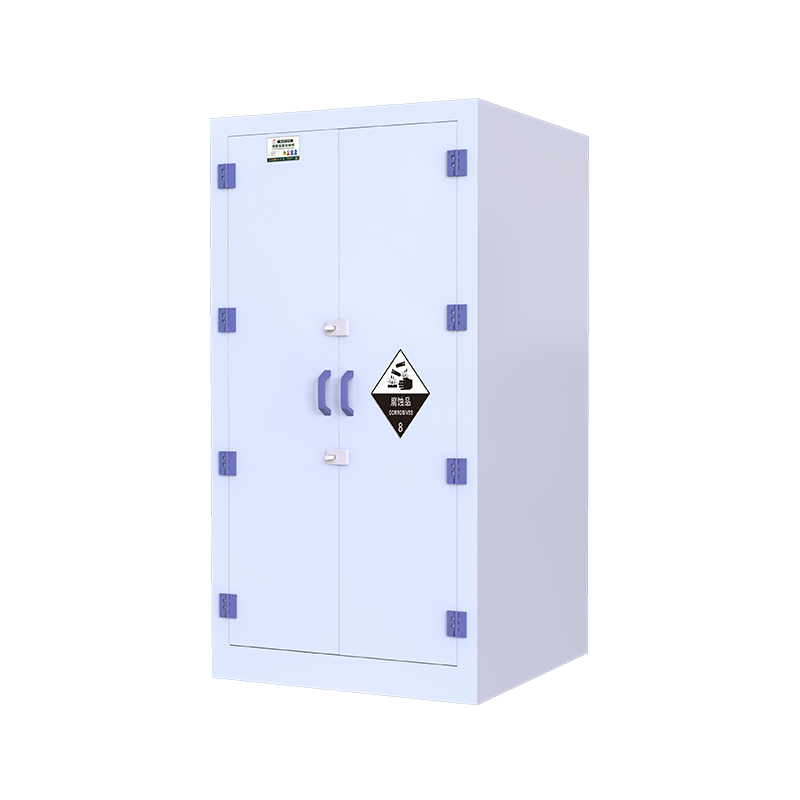
Features:
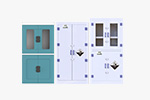
a. Excellent corrosion resistance
b. Not easily corroded by acids and alkalis
c. Not fire-resistant
Suitable for storing:
a. Strong acids
b. Strong alkalis
c. Highly corrosive chemicals When selecting a safety cabinet, the properties of the chemicals should be considered, not the price or appearance.
IV. Key Technical Indicators of Safety Storage Cabinets
When selecting safety storage cabinets for hazardous chemicals, the following technical factors should be given special attention:
1. Fire Resistance
The fire resistance rating directly relates to the buffer time in the event of an accident and is one of the important indicators for evaluating the performance of the safety cabinet.
2. Structural and Sealing Design
A good cabinet structure and sealing design help to:
a. Reduce leakage risk
b. Prevent the diffusion of volatile gases
c. Improve overall safety
3. Classification and Zoning Capabilities
Supporting layered, zoned, and independent storage is crucial for achieving standardized management.
4. Ventilation and Leakage Control
Appropriate ventilation interfaces and leak-proof designs can reduce the spread of risk in the early stages of an accident.
5. Compliance
Safety storage cabinets should comply with relevant safety regulations and industry standards to meet regulatory and auditing requirements.
V. Common Selection Misconceptions
In actual procurement, the following misconceptions are common:
1. Focusing only on price, ignoring long-term safety costs
2. Using one type of cabinet to store all chemicals
3. Ignoring future expansion and changes in usage
4. Failing to plan holistically in conjunction with the laboratory or production environment
A reasonable selection should be a comprehensive consideration of safety, compliance, efficiency, and long-term management costs.
VI. Conclusion: Rational Configuration Based on Needs
Safety storage cabinets for hazardous chemicals are not simply "equipment purchases," but an important component of a safety management system.
By clearly defining the characteristics of chemicals, classifying them appropriately, and matching suitable storage cabinet types, we can improve daily management efficiency and reduce long-term risks while ensuring safety.
Selecting cabinets based on needs and regulations is key to achieving safe, compliant, and sustainable operation.