Introduction
Hydrochloric acid, sulfuric acid, nitric acid, and sodium hydroxide are commonly used in laboratories. However, commonly used chemicals are not necessarily low-risk chemicals.
Both acids and bases can be corrosive. If they are improperly stored and come into contact following a leak or spill, their reaction may generate significant heat, causing splashing, container damage, chemical burns, or other safety incidents.
Certain acids can also react with incompatible chemicals to release toxic gases.
Safe chemical storage therefore requires more than simply identifying the hazards of individual substances. Chemical compatibility and proper segregation are equally important.
1. Why Should Acids and Bases Be Stored Separately?
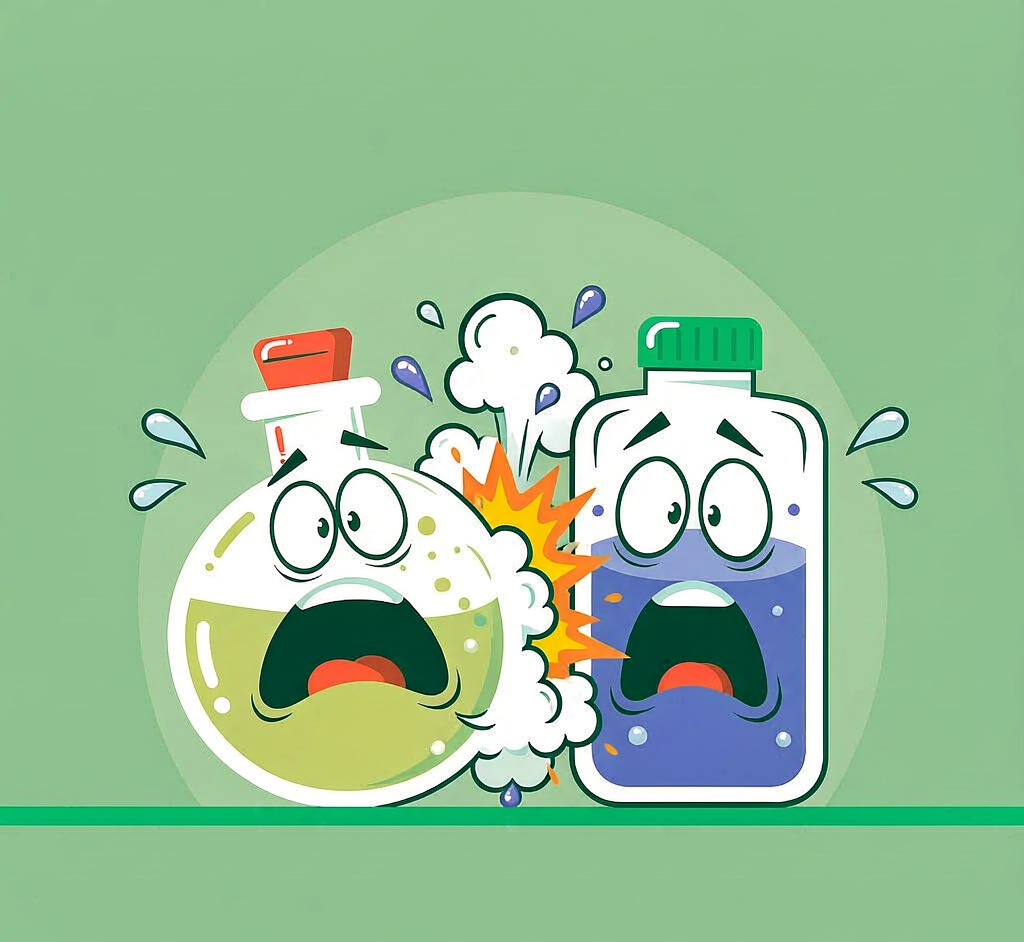
Acid-base neutralization is a familiar reaction in laboratory work. However, accidental mixing during chemical storage can present significant safety hazards.
When concentrated acids come into contact with strong bases, the neutralization reaction can release heat rapidly. This may cause localized temperature increases, corrosive liquid splashes, or even container damage.
More importantly, acids can react dangerously with other incompatible chemicals. For example:
Hypochlorites: Contact with acids may release toxic chlorine gas.
Cyanides: Contact with acids may release highly toxic hydrogen cyanide gas.
Sulfides: Contact with acids may release toxic hydrogen sulfide gas.
These hazards demonstrate why proper chemical storage involves more than clear labeling and orderly shelving. Chemicals must be segregated according to their hazardous properties and chemical compatibility.
2. How Should Acid and Base Storage Areas Be Organized?
2.1 Store Acids and Bases Separately
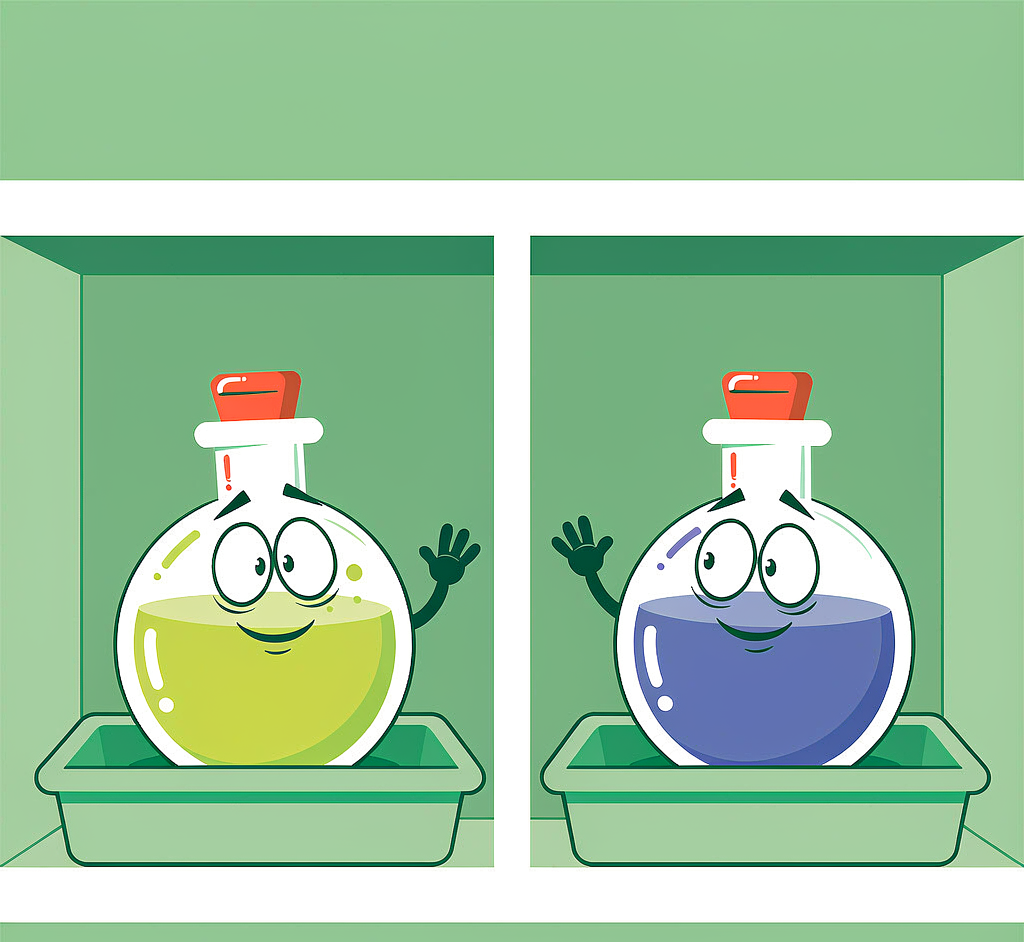
Corrosive acids and bases should be stored separately according to their hazardous properties to prevent direct contact in the event of a leak or spill.
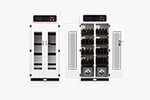
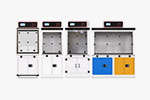
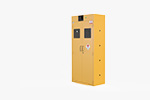
For laboratories, using dedicated acid and base storage cabinets is an effective way to reduce the risk of cross-contamination and accidental contact between incompatible chemicals.
If a single cabinet is used for segregated storage, a risk assessment should first establish that adequate physical separation and independent, reliable spill containment can be provided. Simply placing acids and bases at opposite ends of the same shelf does not ensure safe storage.
2.2 Different Acids May Require Separate Storage
Not all acids are compatible with one another, and some require additional segregation.
Oxidizing acids: Concentrated nitric acid, for example, should be segregated from organic materials, reducing agents, and other incompatible substances.
Other acids: Appropriate storage arrangements should be determined based on the specific chemical's hazards and compatibility.
Chemicals that release toxic gases upon contact with acids: Cyanides, sulfides, and hypochlorites must be strictly segregated from acids.
The segregation requirements for oxidizing acids and other acidic chemicals should always be determined by their specific hazards. It should not be assumed that all acids can safely be stored together in a single acid cabinet.
2.3 Strong Bases Require Careful Storage Too
Strong bases, such as sodium hydroxide and potassium hydroxide, are highly corrosive and can cause severe skin burns and serious eye damage.
Strong bases can also react with certain metals, including aluminum and zinc, potentially releasing flammable hydrogen gas. Storage arrangements should therefore account for the chemical compatibility of containers and cabinet materials, while keeping incompatible metals and other hazardous substances appropriately segregated.
3. Choose the Right Storage Cabinets and Provide Spill Protection
3.1 Select Cabinets Based on Chemical Compatibility
Storage cabinets should be made from materials compatible with the chemicals they are intended to contain.
Corrosion-resistant materials, such as polypropylene (PP), can be suitable for certain acid and base storage applications. However, material compatibility depends on the specific chemical, its concentration, temperature, and duration of contact.
For highly corrosive or particularly hazardous chemicals, dedicated storage equipment should be selected based on a thorough assessment of the associated risks.
3.2 Use Chemical-Resistant Spill Trays
Each storage area should be equipped with secondary containment compatible with the chemicals being stored.
In the event of a leak or spill, spill trays can help contain the liquid and reduce the risk of it spreading into adjacent storage areas or coming into contact with other chemicals.
Spill trays should have adequate capacity and appropriate chemical resistance. Incompatible chemicals should not be placed in the same containment tray if a leak could allow them to mix.
3.3 Arrange Chemicals Safely
To improve storage safety:
Keep chemical containers in stable, accessible locations. Avoid storing heavy or fragile containers at elevated positions.
Ensure that labels are legible, closures are secure, and containers are suitable for the chemicals they hold.
Inspect containers regularly for damage, corrosion, or signs of leakage.
Keep storage areas organized and free from unnecessary items.
Storage heights, ventilation requirements, and cabinet configurations should be determined in accordance with applicable local regulations, Safety Data Sheets (SDSs), and laboratory risk assessments.
4. Establish Standardized Chemical Storage Procedures
Safe chemical storage depends not only on appropriate equipment but also on consistent day-to-day management.
Laboratories should establish standard procedures covering the following areas:
Chemical segregation: Maintain a storage inventory based on chemical hazards and compatibility.
Clear labeling: Ensure that storage areas and chemical containers are clearly and correctly labeled.
Personal protective equipment (PPE): Use suitable safety goggles, face shields, and chemical-resistant gloves according to the risks of the task.
Routine inspections: Regularly inspect cabinets, containers, spill trays, and labels for signs of damage or deterioration.
Proper handling: Secure container closures and return chemicals to their designated storage locations immediately after use. Avoid unnecessary temporary storage.
In the event of a spill or accidental mixing, follow the laboratory's established emergency procedures. Do not attempt to clean up the spill or neutralize the chemicals without first assessing the risks and confirming that the response is appropriate.
Conclusion: Chemical Compatibility Is the Foundation of Safe Storage
Separating acids and bases involves more than placing them in different cabinets. It is part of a comprehensive chemical risk management strategy.
From proper chemical classification and selecting suitable storage cabinets to providing chemical-resistant spill trays and conducting routine inspections, every step helps reduce the risks of chemical spills, unintended reactions, and personnel exposure.
Effective chemical storage is not just about where chemicals are placed. It is also about preventing a leak from becoming a more serious incident.
Are acids, bases, and other incompatible chemicals in your laboratory properly segregated according to their hazards and chemical compatibility?