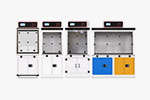
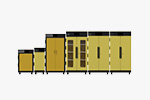
1. Why Do Gas Cylinder Cabinets Need Gas Detectors?
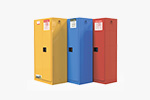
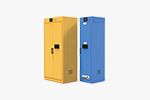
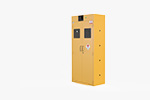
Gas cylinder cabinets are mainly used for storing hazardous gases used in laboratories, semiconductor factories, chemical industries, and industrial manufacturing facilities, including combustible gases, toxic gases, corrosive gases, and inert gases.
Because gas cylinder valves, pipelines, pressure regulators, and connection points may have leakage risks, gas leakage reaching a certain concentration level may cause fire, explosion, poisoning, or oxygen deficiency hazards.
Therefore, installing suitable gas detectors and gas alarm systems inside gas cylinder cabinets can provide real-time monitoring of gas concentrations. When abnormal conditions are detected, the system can immediately activate audible and visual alarms and connect with ventilation systems, automatic shut-off valves, or other safety devices to reduce potential risks.
However, different gases have different physical and chemical properties. The selection of gas detectors should not be based only on the gas name. The following factors should also be considered:
Gas Type
Combustible gases, toxic gases, corrosive gases, and gases that may cause oxygen deficiency.
Gas Density
It is necessary to determine whether the gas will rise or accumulate at a lower level after leakage.
Application Environment
Different application environments such as laboratories, cleanrooms, industrial plants, and warehouses.
Detection Range
Common measurement units include ppm, %LEL, and %VOL.
Sensor Technology
Different detectors use different sensing technologies, such as electrochemical sensors, catalytic combustion sensors, and infrared sensors.
Selecting the correct gas detector ensures the accuracy and reliability of the detection system. If the detector type does not match the target gas, problems such as failure to detect, false alarms, or insufficient sensitivity may occur.
2. Classification of Common Detection Gases for Gas Cylinder Cabinets
According to the hazardous characteristics of gases stored in gas cylinder cabinets, gas detectors can mainly be divided into the following categories:
(1) Combustible Gas Detectors
Combustible gas detection is one of the most common applications for gas cylinder cabinets. It is mainly used to prevent explosive gas-air mixtures caused by gas leakage.
Common gases include:
These detectors usually use combustible gas sensors, and the detection unit is commonly expressed as %LEL (Lower Explosive Limit percentage).
For example, when the concentration of combustible gas approaches the lower explosive limit, the detector will provide an early warning to allow operators to take preventive actions.
Common applications:
Laboratory gas cylinder cabinets
Hydrogen gas cabinets
Industrial gas storage cabinets
Semiconductor gas supply systems
(2) Toxic Gas Detectors
Toxic gases can pose serious health risks even at low concentrations. Therefore, highly sensitive gas detectors are required for monitoring.
Common gases include:
Ammonia (NH₃)
Chlorine (Cl₂)
Hydrogen sulfide (H₂S)
Carbon monoxide (CO)
Sulfur dioxide (SO₂)
Phosphine (PH₃)
These detectors usually use electrochemical sensors, with detection levels typically measured in ppm (parts per million).
Applications include:
(3) Oxygen Detectors
Oxygen detection is mainly used to monitor changes in oxygen concentration and prevent safety risks caused by oxygen deficiency or oxygen enrichment.
Abnormal oxygen levels mainly involve two types of risks:
① Oxygen Deficiency Risk
When inert gases such as nitrogen (N₂), argon (Ar), and carbon dioxide (CO₂) leak, they can reduce the oxygen concentration in the surrounding air, potentially causing oxygen deficiency and suffocation.
Therefore, oxygen detectors are commonly installed in gas cylinder cabinets storing:
Nitrogen (N₂)
Argon (Ar)
Carbon dioxide (CO₂)
Other inert gases
② Oxygen Enrichment Risk
When oxygen cylinders leak, increased oxygen concentration in the air may increase the risk of fire and explosion.
Therefore, oxygen cylinder cabinets should also be equipped with oxygen monitoring systems to ensure that oxygen leakage can be detected promptly.
(4) Corrosive Gas Detectors
Some specialty industrial gases are not only toxic but also highly corrosive, which may damage equipment, pipelines, and cause harm to personnel.
Common corrosive gases include:
Hydrogen chloride (HCl)
Hydrogen fluoride (HF)
Chlorine (Cl₂)
Sulfur dioxide (SO₂)
These gases usually require dedicated corrosion-resistant gas sensors to ensure stable and reliable long-term monitoring.
Main applications include:
3. Gas Detector Selection Recommendations for Gas Cylinder Cabinets
When purchasing gas cylinder cabinets or designing gas alarm systems, the following information should be confirmed to select the appropriate gas detector:
① Confirm the Type of Gas Stored in the Cylinder
Different gases require different types of detectors.
Examples:
Hydrogen (H₂)
→ Use a hydrogen detector or combustible gas detector
Ammonia (NH₃)
→ Use an ammonia gas detector
Chlorine (Cl₂)
→ Use a chlorine detector
Nitrogen (N₂)
→ Use an oxygen deficiency detector
Oxygen (O₂)
→ Use an oxygen detector
If multiple gases are stored in the same gas cylinder cabinet, detectors should be selected according to the hazard level of each gas. Multiple sensors may be required when necessary.
② Identify the Gas Hazard Category
Before selecting a detector, the primary hazard of the gas should be identified.
Combustible Hazard
Examples:
Select:
Combustible gas detector
Toxicity Hazard
Examples:
Ammonia
Chlorine
Hydrogen sulfide
Select:
Toxic gas detector
Corrosive Hazard
Examples:
Hydrogen chloride
Hydrogen fluoride
Select:
Dedicated corrosive gas detector
Oxygen Deficiency Hazard
Examples:
Nitrogen
Argon
Carbon dioxide
Select:
Oxygen concentration detector
③ Determine Detector Installation Location Based on Gas Density
The diffusion direction of leaked gas depends on its density, so the installation position of the detector is very important.
Gases Lighter Than Air
Examples:
These gases tend to rise and accumulate in upper areas after leakage.
Recommendation:
Install detectors in the upper area of the gas cabinet.
Gases Heavier Than Air
Examples:
Cl₂
CO₂
Most VOC organic vapors
These gases tend to sink and accumulate at lower levels after leakage.
Recommendation:
Install detectors in the lower area of the gas cabinet.
Gases with Similar Density to Air
Examples:
The installation location should be determined according to the actual environment, airflow direction, and ventilation conditions.
4. Conclusion: How to Select the Right Gas Detector for Gas Cylinder Cabinets?
The selection of gas detectors for gas cylinder cabinets should be based on the characteristics of the stored gases:
Combustible gases → Use combustible gas detectors to monitor %LEL levels
Toxic gases → Use specific toxic gas detectors to monitor ppm levels
Inert gases → Use oxygen detectors to prevent oxygen deficiency
Corrosive gases → Use dedicated corrosion-resistant sensors
A properly designed gas detection solution not only improves the safety performance of gas cylinder cabinets but also helps meet hazardous gas management requirements in laboratories, semiconductor manufacturing, chemical industries, and pharmaceutical facilities.
When selecting a gas cylinder cabinet, it is recommended to confirm the appropriate gas detector configuration with a professional manufacturer based on the stored gas type, application environment, and safety requirements, ensuring safe and reliable operation.